
In the realm of construction and renovation, concrete plays an indispensable role in laying the foundation of our modern infrastructure. Whether you are embarking on building your dream home or engaging in a commercial project, understanding the nuances of working with local concrete contractors is crucial. This article aims to provide a comprehensive guide on what to know when hiring and working with these essential professionals. The concrete industry is vast and significant, with numerous factors influencing project outcomes. From selecting the right contractor to ensuring the project meets local regulations, every step is vital in achieving successful construction results.
Understanding Concrete Work
Types of Concrete Projects
Concrete projects range from residential driveways to complex commercial buildings. The versatility of concrete makes it an ideal material for various applications, including sidewalks, foundations, and decorative elements. It is crucial to identify the specific type of project because it determines the concrete mix and method of installation. Engaging a contractor with expertise in the specific type of project is essential to ensure quality. Proper planning and knowledge of project specifics enhance efficiency and safety, ultimately affecting the longevity of the structure.
Materials and Tools Used
Concrete work requires a meticulous selection of materials, each serving a distinct purpose. The basic ingredients of concrete include cement, water, and aggregates like sand and gravel. Advanced projects may involve reinforcement materials, such as steel rebar or wire mesh, to enhance structural integrity. Contractors also utilize a variety of machinery and tools, from mixers to vibrators, which are critical in ensuring the uniformity and compaction of the concrete. The efficient use of these tools, alongside the right mix, guarantees a durable and robust outcome, fitting the project's requirements.
Project Planning and Design
Effective project planning is the backbone of successful concrete work, involving detailed design and scheduling. Architects and engineers collaborate with contractors in laying out plans that define every aspect of the structure. These plans must adhere to both aesthetic desires and structural necessities. Setting realistic timelines and resource allocation are critical components of effective project management. An efficiently planned project not only ensures timely completion but also reduces the likelihood of budget overruns and quality compromises.
The Construction Process
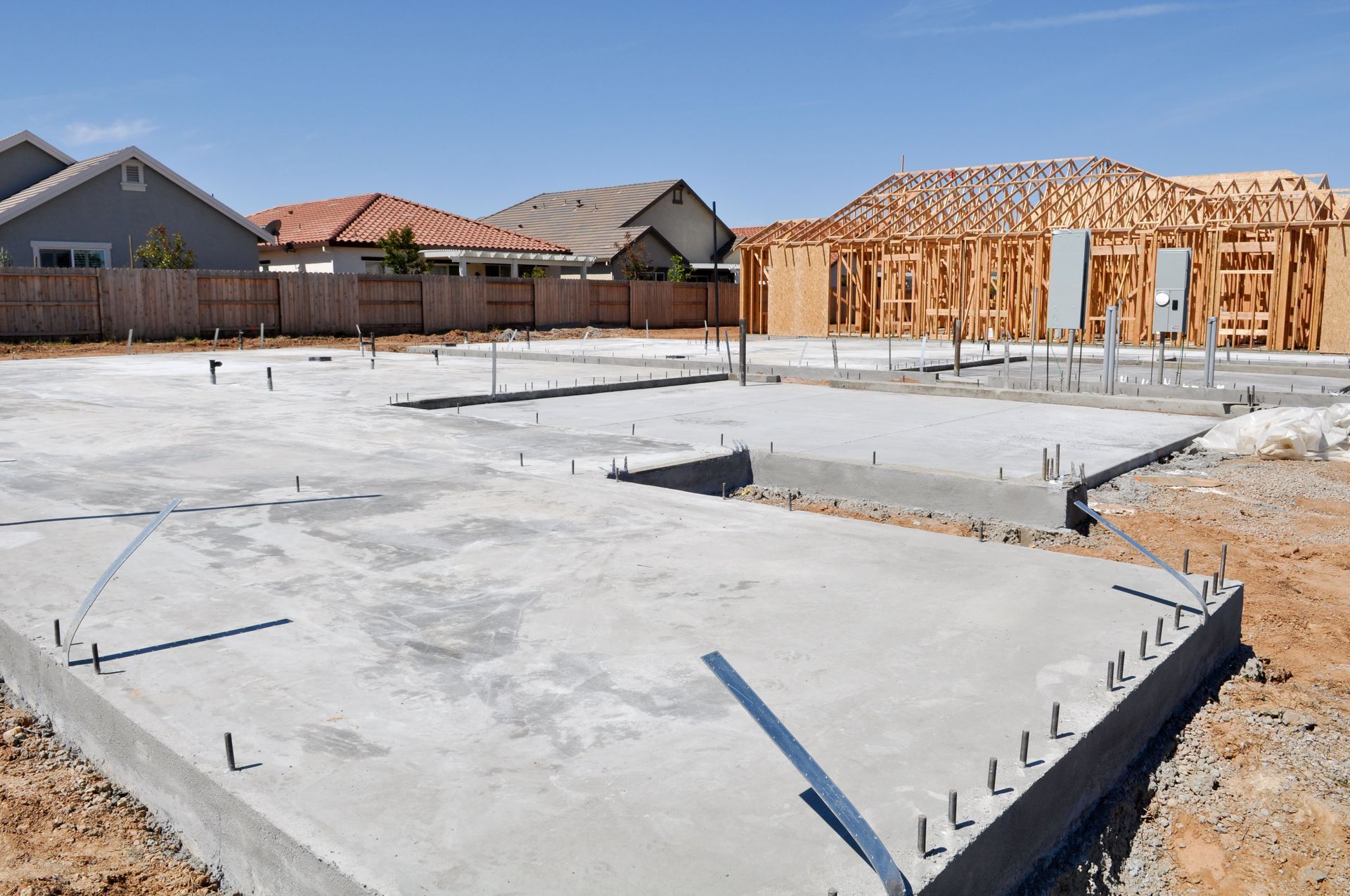
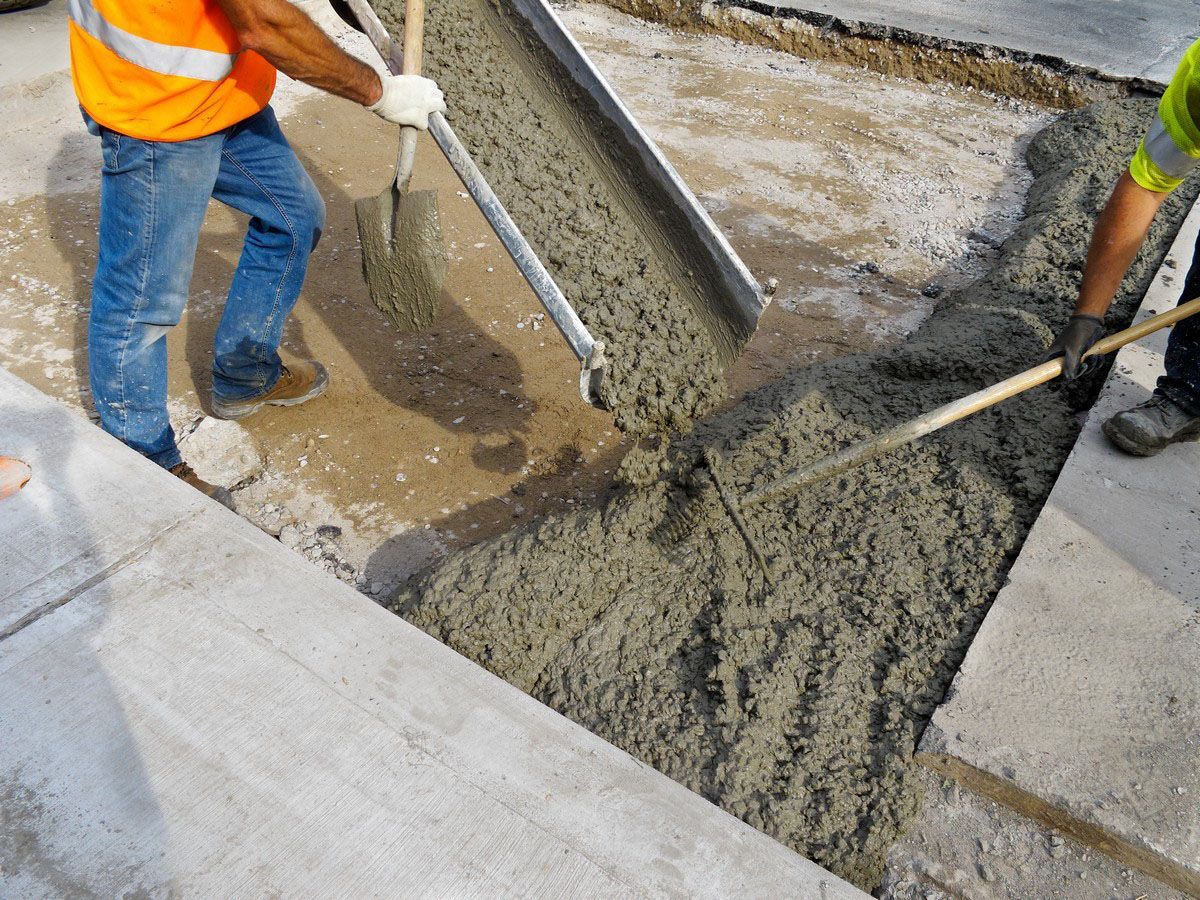
The construction process of concrete projects involves several stages, each crucial to the final result. Beginning with site preparation, this phase ensures a stable base for the concrete to rest. Following this, concrete is mixed, poured, and shaped according to the design specifications. The curing period is critical, during which the concrete gains strength through a chemical reaction. Each step requires precision and caution, as missteps can lead to structural weaknesses. A seasoned contractor's expertise is invaluable in managing these complex processes smoothly.
Common Challenges and Solutions
Concrete projects are not without their challenges, with weather and site conditions often posing significant hurdles. Fluctuations in temperature and moisture levels can adversely affect concrete curing, leading to issues like cracking. Contractors employ several methods to mitigate these risks, such as using curing blankets or applying sealants. Additionally, proper project management ensures prompt troubleshooting of unforeseen issues. Considering these potential obstacles and their solutions in advance helps in maintaining the project's schedule and budget effectively.
Finding a Reputable Contractor
Researching Potential Contractors
The search for a reliable concrete contractor begins with thorough research. It's essential to gather recommendations from trusted sources and online reviews. Evaluating contractors based on their previous work and their reputation in the industry offers valuable insights. This initial phase helps to shortlist contractors who have demonstrated reliability and excellence in their previous projects. It's important to consider factors like project scope, contractor specialization, and geographical working scope while making your choice.
Importance of Licenses and Certifications
Licenses and certifications are non-negotiable when hiring a concrete contractor. These credentials demonstrate that the contractor meets the industry's professional and safety standards. Additionally, certification ensures that the contractor is updated with the latest construction techniques and regulations. It also reduces the liability risk for clients, as licensed contractors often have the necessary insurance. Any contractual agreement should include verifying these documents to safeguard against potential future discrepancies.
Evaluating Contractor Experience
Experience is a crucial determinant in selecting a contractor, impacting the quality and efficiency of the project. Experienced contractors bring a wealth of knowledge and problem-solving capabilities, minimizing errors and delays. Reviewing a contractor's portfolio and past project outcomes can provide insights into their ability to meet specific project demands. Involvement in a variety of project types and scales also speaks volumes about a contractor's adaptive skills and durability in the business. Choosing a contractor with substantial experience aligns project expectations with achievable results.
Reading and Understanding Review
User reviews play a significant role in influencing decision-making when selecting a contractor. They provide candid feedback from previous clients about their experiences, both positive and negative. While some reviews might be skewed, consistent praises or criticisms can reveal a lot about a contractor’s reliability and professionalism. Look for reviews that discuss project timelines, quality of communication, and adherence to budget. This helps in forming a more balanced view of the contractor's operational integrity and their ability to deliver as promised.
The Interview Process
The interview process allows for direct interaction to discuss the project's specific expectations and challenges. It's an opportunity to assess the contractor's communication style, responsiveness, and willingness to engage collaboratively. Key discussion points should include project timeline estimates, potential challenges, and proposed solutions. This interaction also provides chances to request references and delve deeper into the contractor's past performance. A productive interview process lays the groundwork for a satisfying working relationship between client and contractor.
Contract and Budget Considerations
Estimating Project Costs
The first step in budget considerations for a concrete project is obtaining a comprehensive cost estimate. Accurate budgeting involves a detailed breakdown of material, labor, and equipment costs. A transparent estimate helps to prevent any surprises and allows for financial planning to accommodate the project scope. Experienced contractors can provide realistic estimates based on previous projects, considering local market rates. Such estimates form the foundation for contract negotiations and finalizing budget allocations.
Understanding Contract Terms
A well-drafted contract is paramount to safeguarding all parties' interests in a concrete project. It should clearly define project timelines, responsibilities, payment schedules, and warranty terms. The contract also serves as a crucial document in resolving disputes should they arise. Clients should ensure that all verbally agreed terms are documented within the contract to avoid misunderstandings. Professional legal advice might be necessary to review and fully understand the nuanced terms before signing.
Payment Schedules and Methods
Defining a clear payment schedule is integral to maintaining project cash flows and ensuring accountability from the contractor. Most contractors expect an upfront deposit, with subsequent payments tied to project milestones. This structure incentivizes the contractor to maintain progress according to the agreed timeline. It's important to agree on payment methods—often a mix of checks and digital transactions ensures flexibility and traceability. A well-defined payment plan incorporated into the contract fosters financial transparency and minimizes risks of disputes.
Embarking on concrete projects requires decision-making and partnering with the right professionals. According to the Concrete Financial Insights Index, concrete production and delivery is a $68 billion revenue industry in the United States. By thoroughly understanding the processes and essential considerations detailed in this guide, you can confidently navigate the complexities of working with local concrete contractors, ensuring quality outcomes and lasting structures for years to come. Proper planning, adherence to standards, and a focus on sustainability contribute to the success and longevity of concrete projects. With knowledgeable collaboration and diligent execution, concrete remains a fundamental element in modern construction, supporting infrastructure growth and innovation worldwide. Be sure to reach out to STF Concrete Inc today to learn more about our professional local concrete contractors!


Share On: